How to check if your smoke alarms are working
Smoke alarms can fail due to flat batteries, age, dust build-up, or electrical faults. Regular testing helps identify problems before an emergency occurs.
Testing the Alarm
How often should you test the alarm
It is recommended that you:
- Test smoke alarms monthly.
- Test alarms whenever you move into a new property.
- Replace batteries immediately if a low-battery warning sounds.
- Notify your property manager if an alarm is damaged, not functioning correctly, or is more than 10 years old.
How To Test the Alarm
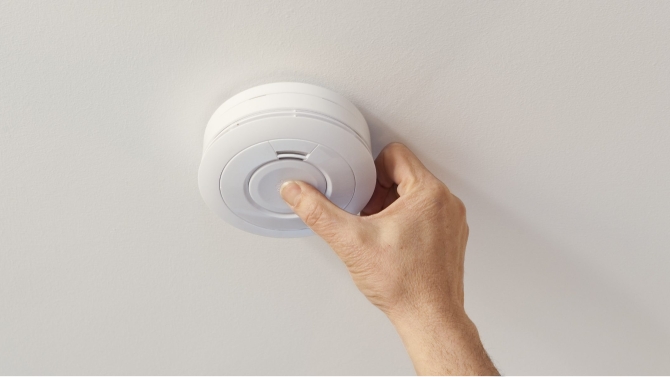
Most smoke alarms have a clearly marked TEST or HUSH/TEST button.
- Stand directly beneath the alarm.
- Press and hold the test button for several seconds.
- The alarm should emit a loud warning sound.
- Release the button once the alarm activates.
If the alarm sounds, it has passed the basic functionality test.
How to Fix the Alarm
Battery-Powered Smoke Alarms
- Listen for intermittent chirping, which can indicate a low battery.
- If the battery is replaceable, replace it as required.
- Report any alarm that does not respond after a battery replacement.
Hardwired Smoke Alarms
- These are connected to the property’s electrical system and may also contain a backup battery.
- Change the backup battery.
- If the alarm does not sound, contact your property manager immediately.
Interconnected Smoke Alarms
Some homes have multiple alarms linked together.
- Press the test button on one alarm; check whether the other alarms sound as well.
- If the battery in one alarm needs replacing, none of the alarms may work. Replace all batteries, and then check again.
- If some alarms activate and others do not, notify your property manager.
What Tenants Should Never Do
- Remove or disconnect smoke alarms.
- Remove batteries without replacing them.
- Paint over smoke alarms.
- Cover alarms with tape, plastic bags, or other materials.
- Attempt electrical repairs.
When to Contact Your Property Manager
Contact your property manager immediately if:
- A smoke alarm fails a test.
- An alarm is damaged.
- An alarm is chirping continuously.
- The alarm has been removed or is missing.
- You have concerns about the number or placement of smoke alarms in the property.